AI did not end the data literacy crisis. It changed it. As machines move from providing information to interpreting it and recommending what to do, the scarce skill is becoming judgment: knowing what to trust, what to question, and what decisions are still ours to make.
Evidence does not make decisions. People interpret it, weigh it, challenge it, and make judgments. A courtroom reveals what leaders can learn about evidence, expertise, confidence, and data-informed decision-making.
Feeling sure doesn't mean you're right. Learn five simple ways to question what feels true, spot what might be influencing you, and make better decisions about what to believe.
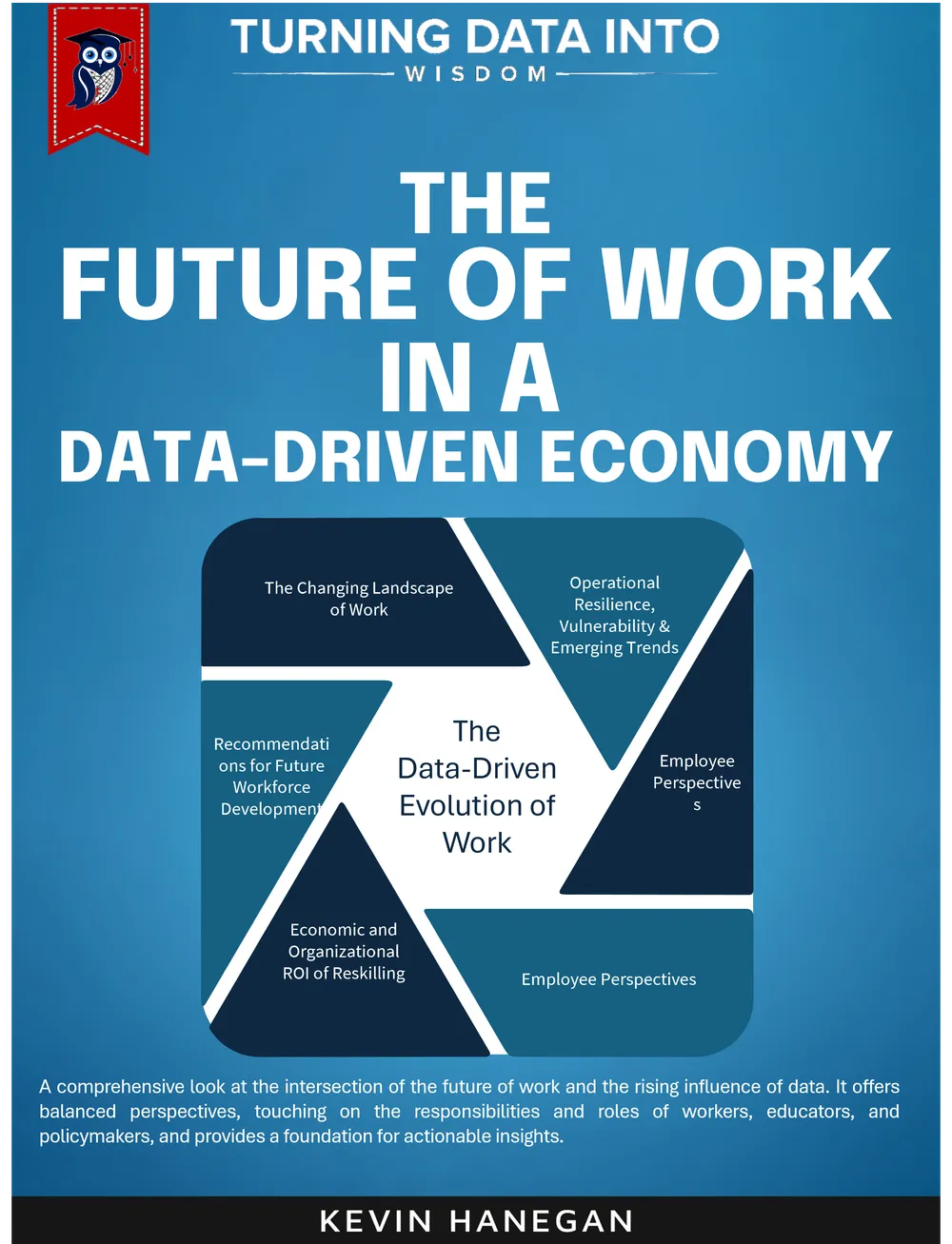
The Future of Work in a Data-Driven Economy: Preparing Today's Workforce
This paper explores how the increasing adoption of data analytics, artificial intelligence, and other digital technologies is fundamentally transforming work across industries. As businesses implement more data-driven systems, the skills required for most roles are rapidly evolving. This has profound implications for workers, employers, educators, and policymakers.
Future of Work
The AI Opportunity Identification Framework
This paper offers a structured approach to identifying and prioritizing AI opportunities tailored to your organization's unique needs.
AI
Framework
The Impact of Data Literacy on Misinformation Susceptibility
This paper examines the hypothesis that enhancing data literacy skills among the general populace can reduce susceptibility to misinformation. With the proliferation of misinformation in digital media, equipping people with skills to critically analyze data and claims is imperative. This highlights the connections between data literacy, critical thinking, and misinformation resilience. It proposes educational interventions to improve data literacy across age groups and measurable outcomes for evaluating effectiveness.
Data Literacy
Uncovering Data Opportunities
This guide offers a roadmap for identifying, evaluating, and acting on data opportunities within your organization.
Data Strategy
Framework
The Business Case for Tailored Data Literacy Programs
The paper serves as both a strategic guide and a practical handbook for organizations seeking to build effective data literacy programs that drive real business value.
Data Literacy
Data Strategy
Mitigating Bias with Data
This guide explores how biases, often lurking beneath the surface, can distort data at every stage, from collection and cleaning to analysis and interpretation
Data Literacy
Framework
Data As A Cultural Asset
This guide explores the transformative potential of data in organizations, emphasizing its role not merely as a tool but as an essential component of organizational culture. It provides actionable strategies for leaders to embed data deeply into their business practices, fostering a responsive and innovative environment.
Data Strategy
6 Steps to Building a Sustainable Data-Informed Culture
This paper highlights the critical components needed to build a long-lasting data-informed culture in organizations. It emphasizes the importance of moving beyond technology and tools to focus on cultural shifts, ethical considerations, and continuous improvement.
Data Strategy
Data Literacy
The Data-To-Insights Methodology
This guide offers a comprehensive, step-by-step guide to mastering the art and science of data analysis. This guide equips you with the tools to make more informed decisions, sharpen your analytical skills, and drive real business value.
Data Literacy
Framework
The Critical Insights Analysis Framework
This guide offers a comprehensive, step-by-step guide to evaluating and leveraging data insights in business decision-making. This powerful framework equips professionals with the skills to critically assess pre-existing insights, uncover hidden value, and transform complex information into actionable strategies.
Data Literacy
Framework
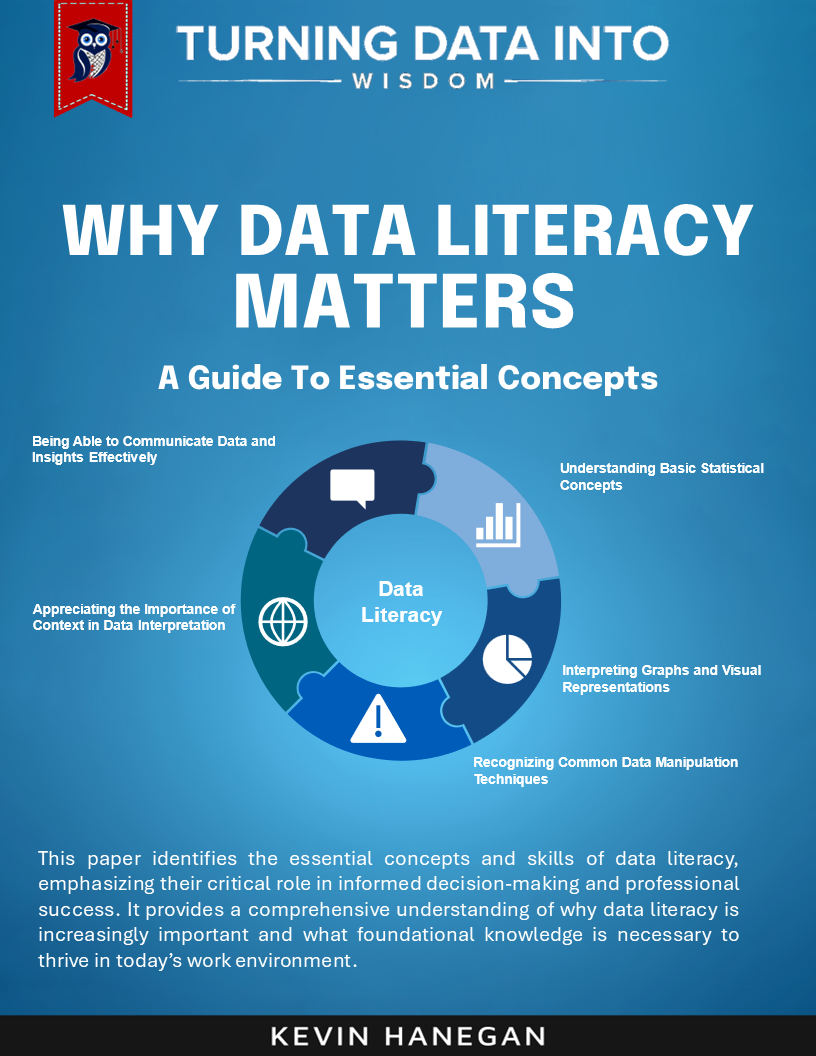
Why Data Literacy Matters.
This paper identifies the essential concepts and skills of data literacy, emphasizing their critical role in informed decision-making and professional success. It provides a comprehensive understanding of why data literacy is increasingly important and what foundational knowledge is necessary to thrive in today’s work environment.
Data Literacy
Framework
Augmenting Human Cognition with Generative AI for Informed Decision-Making
This paper demonstrates how data consumers can seamlessly integrate Socratic questioning with generative AI tools. It outlines strategies to frame questions effectively, guide AI-generated inquiries, and iteratively refine analysis by addressing each layer of inquiry. By using AI as a thought partner to stimulate alternative viewpoints and scrutinize underlying logic, data consumers can foster a richer understanding of complex issues, fortify their decision-making process, and contribute to the evolution of responsible and informed analytical practices.
AI
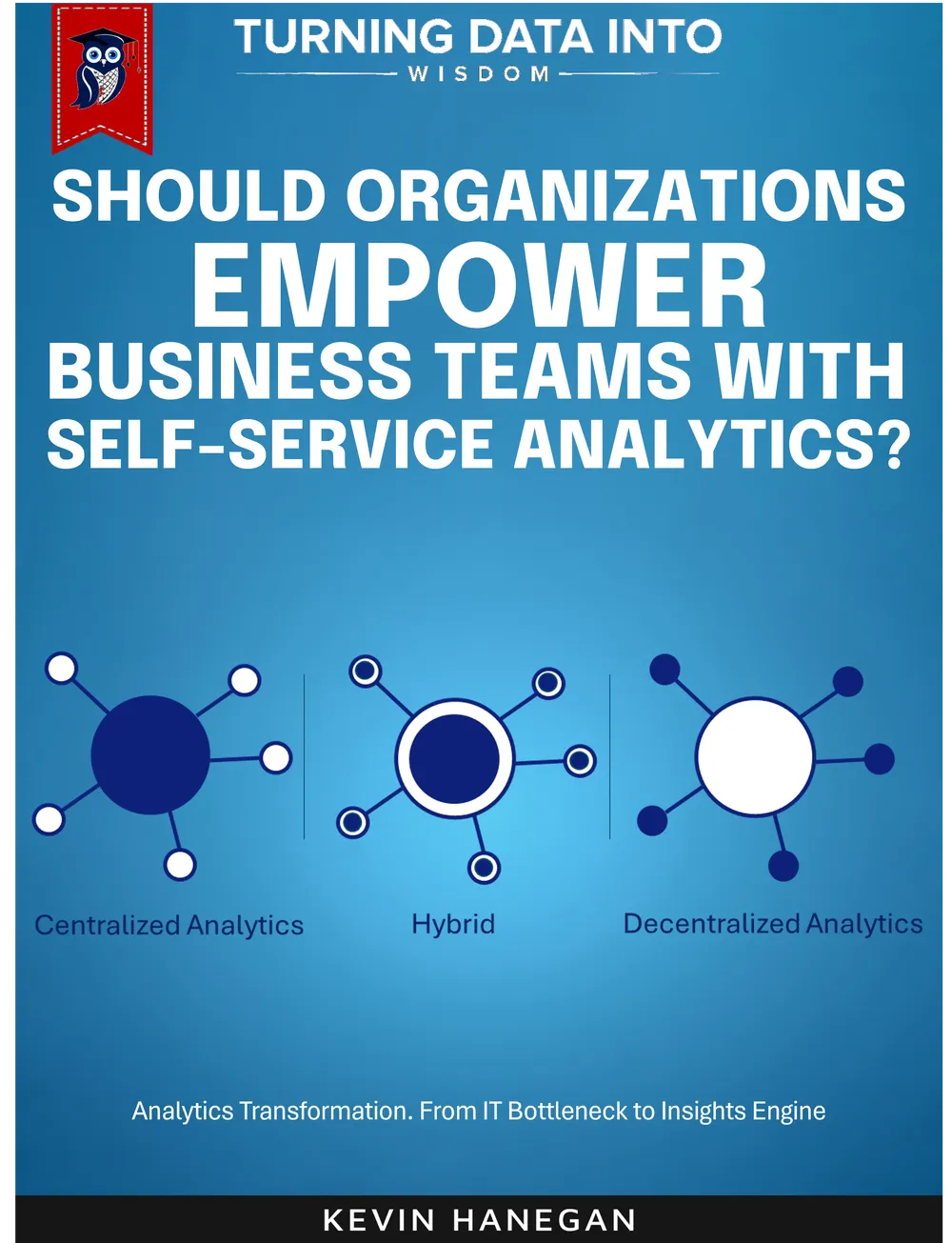
Should Organizations Enable Business Teams to Do Their Own Analytics? Analytics Transformation. From IT Bottleneck to Insights Engine
Data-informed decision-making is becoming critical across all levels of modern organizations. This raises the question of whether to equip business units with analytics skills or centralize this capability within IT and analytics teams. This paper examines the pros and cons of decentralized analytics versus centralized analytics approaches.
Data-informed Decision-Making
Data Strategy
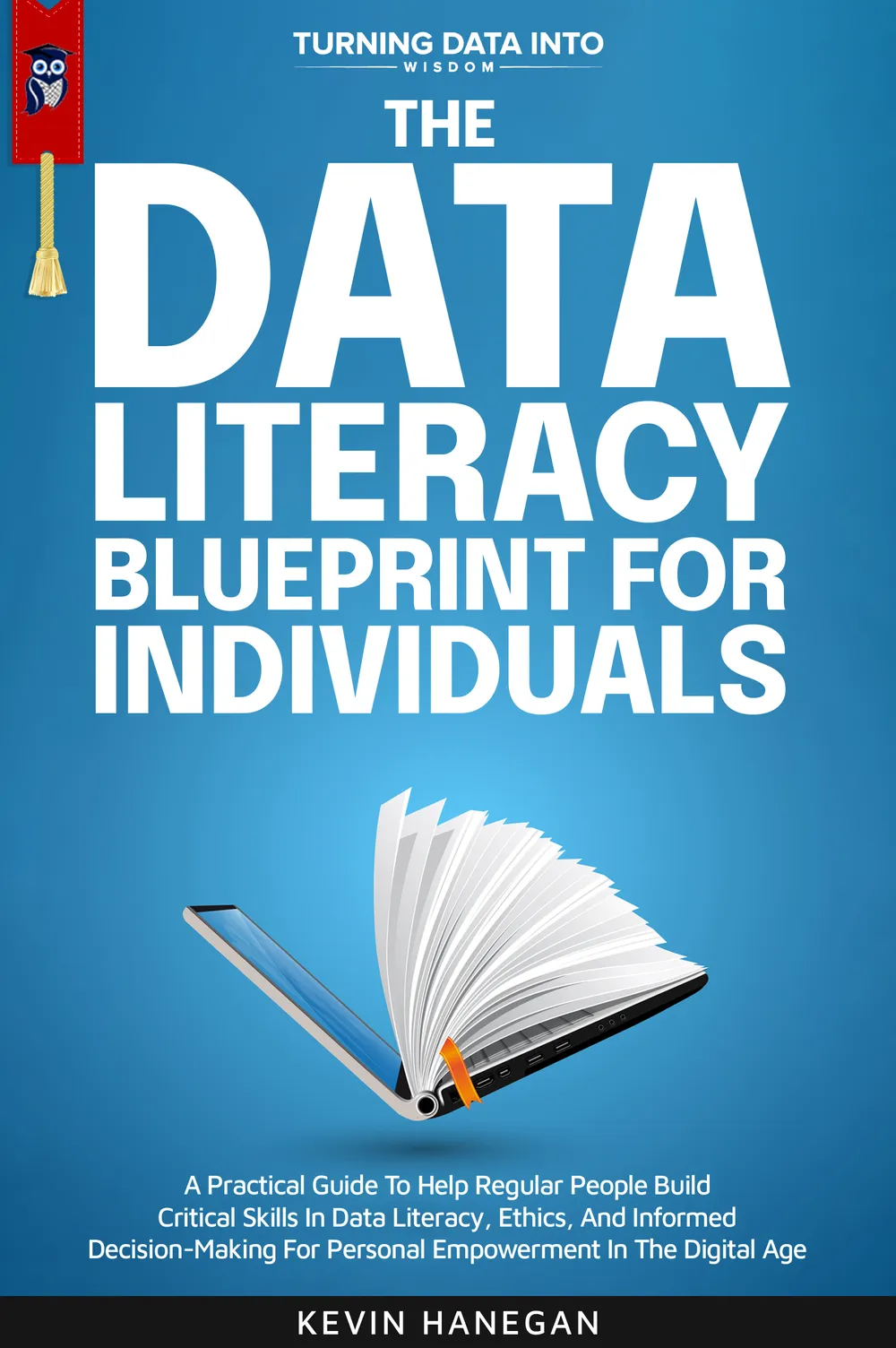
Data Literacy Blueprint for Individuals
Data literacy is more than just number-crunching; it's a crucial 21st-century skill encompassing both technical and soft skills. This blueprint provides a structured approach with three pillars: Fostering a Data Mindset, Building Data Skills, and Enabling Data-Informed Decisions. The blueprint covers everything from data collection to decision-making, offering competency matrices, real-world examples, and exercises. Designed for students to professionals, the blueprint is a roadmap to becoming data literate in our digital age.